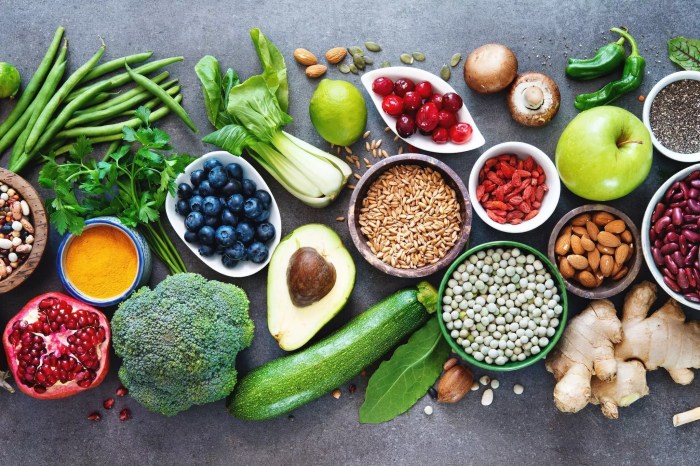
Guide to achieving a balanced diet with whole foods sets the stage for a journey towards optimal health and wellness. Delve into the realms of nutrition and well-being with this informative guide.
Explore the intricacies of maintaining a balanced diet with whole foods while uncovering the secrets to a healthier lifestyle.
Balanced Diet
Eating a balanced diet with whole foods involves consuming a variety of nutrient-rich foods that provide the body with essential vitamins, minerals, and macronutrients to support overall health and well-being.
Examples of Nutrient-Dense Whole Foods
- Fruits: such as berries, oranges, and apples, packed with vitamins and fiber.
- Vegetables: like spinach, broccoli, and sweet potatoes, rich in antioxidants and minerals.
- Whole grains: including quinoa, brown rice, and oats, high in fiber and energy-boosting nutrients.
- Lean proteins: such as chicken, fish, tofu, and legumes, essential for muscle repair and growth.
- Dairy or dairy alternatives: like yogurt, milk, and fortified plant-based milks, important for bone health and calcium intake.
Importance of Variety in Food Choices for a Balanced Diet
Having a diverse range of whole foods in your diet ensures that you are getting a wide array of nutrients that are essential for different bodily functions. By incorporating a variety of fruits, vegetables, whole grains, proteins, and dairy products, you can ensure that your body receives the necessary vitamins, minerals, and macronutrients it needs to thrive.
Mental Wellness
Eating a balanced diet rich in whole foods is not only beneficial for physical health but also plays a crucial role in promoting mental well-being. The foods we consume have a direct impact on our brain function and mood, highlighting the importance of maintaining a nutritious diet for overall mental wellness.
Connection between Gut Health and Mental Health
Maintaining a healthy gut is essential for optimal mental health. The gut is often referred to as the “second brain” due to its significant influence on neurotransmitters and mood-regulating hormones. A diet high in whole foods, such as fruits, vegetables, and whole grains, supports a healthy gut microbiome, which in turn can positively affect mental health and cognitive function.
Impact of Processed Foods on Mental Wellness
Processed foods, high in refined sugars, unhealthy fats, and artificial ingredients, have been linked to negative effects on mental well-being. Consuming these foods regularly can lead to inflammation in the body, which has been associated with an increased risk of mental health disorders like depression and anxiety.
Opting for whole, unprocessed foods can help support a more balanced mood and improved mental clarity.
Physical Fitness
Physical fitness is crucial for overall health and well-being. Whole foods play a significant role in supporting physical fitness goals by providing essential nutrients that fuel the body and aid in muscle recovery.
Whole Foods for Physical Performance
Eating a diet rich in whole foods can enhance physical performance by providing the necessary nutrients for energy production, muscle repair, and recovery. Here are some examples of foods that can boost physical performance:
- Lean proteins such as chicken, turkey, fish, and legumes help in muscle repair and growth.
- Complex carbohydrates like whole grains, fruits, and vegetables provide a sustained source of energy for workouts.
- Healthy fats from sources like avocados, nuts, and seeds support hormone production and aid in nutrient absorption.
Role of Macronutrients in Physical Fitness
Macronutrients, including carbohydrates, proteins, and fats, play a crucial role in physical fitness by providing energy, supporting muscle growth, and aiding in recovery. Balanced intake of these macronutrients is essential for optimal performance. Here’s how each macronutrient contributes to physical fitness:
| Macronutrient | Role in Physical Fitness |
|---|---|
| Carbohydrates | Provide energy for workouts and support muscle glycogen stores. |
| Proteins | Aid in muscle repair and growth, essential for strength and recovery. |
| Fats | Support hormone production, aid in nutrient absorption, and provide a source of long-lasting energy. |
Adequate Hydration
Maintaining adequate hydration is crucial for overall health and well-being. Water plays a vital role in various bodily functions, including temperature regulation, digestion, nutrient absorption, and waste removal.
Incorporating Water-Rich Foods
One way to ensure proper hydration is by incorporating more water-rich foods into your diet. Foods like cucumbers, watermelon, strawberries, and lettuce have high water content and can help increase your daily fluid intake.
Benefits of Hydration
- Improved Physical Performance: Staying hydrated helps maintain optimal muscle function and endurance during physical activities.
- Enhanced Cognitive Function: Dehydration can lead to difficulties in concentration, alertness, and overall cognitive performance.
- Regulation of Body Temperature: Adequate hydration is essential for regulating body temperature and preventing overheating during exercise or hot weather.
- Healthy Skin: Drinking enough water can help keep your skin hydrated, reducing the risk of dryness and promoting a youthful appearance.
Regular Exercise
Regular exercise plays a crucial role in maintaining overall health and well-being. When combined with a balanced diet, it can enhance the benefits of each component, leading to improved physical fitness, mental wellness, and overall quality of life.
Relationship between Balanced Diet and Regular Exercise
Regular exercise complements a balanced diet by helping to regulate weight, improve cardiovascular health, enhance muscle strength, and boost metabolism. When paired with nutrient-dense whole foods, exercise can maximize the benefits of essential nutrients, aiding in recovery, muscle repair, and overall performance.
Pre and Post-workout Whole Food Snacks
Pre-workout
A banana with a tablespoon of almond butter provides a good source of carbohydrates and healthy fats for sustained energy.
Greek yogurt with berries and a sprinkle of chia seeds offers a balance of protein, carbs, and antioxidants to fuel your workout.
Post-workout
A turkey and avocado whole grain wrap provides a combination of protein, healthy fats, and carbohydrates for muscle recovery.
Chocolate milk is a popular choice for its mix of protein and carbohydrates, ideal for replenishing energy stores and promoting muscle repair.
Nutrition for Optimal Workout Performance
Nutrition plays a vital role in optimizing workout performance by providing the necessary fuel and nutrients for energy, endurance, and recovery. Consuming a balanced diet rich in whole foods ensures that your body has the essential nutrients required to support physical activity, improve strength, and enhance overall fitness levels.
Healthy Lifestyle
Eating whole foods plays a crucial role in maintaining a healthy lifestyle. These foods are packed with essential nutrients, vitamins, and minerals that are beneficial for overall well-being.
Impact of Food Choices
Choosing the right foods can have a significant impact on your overall well-being. Whole foods provide the necessary nutrients to support your immune system, improve digestion, and boost energy levels. They can also help in maintaining a healthy weight and reducing the risk of chronic diseases.
- Include a variety of fruits, vegetables, whole grains, lean proteins, and healthy fats in your diet.
- Avoid processed foods that are high in added sugars, unhealthy fats, and preservatives.
- Stay hydrated by drinking an adequate amount of water throughout the day.
- Limit the consumption of sugary drinks and opt for water, herbal teas, or infused water instead.
Transitioning to a Whole Foods-Based Diet
Transitioning to a whole foods-based diet may seem challenging at first, but with the right approach, it can be a rewarding experience. Here are some tips to help you make the switch:
- Start by gradually incorporating more whole foods into your meals and reducing processed foods.
- Experiment with different fruits, vegetables, grains, and proteins to discover new flavors and recipes.
- Meal prep and plan ahead to ensure that you have nutritious options readily available.
- Listen to your body and pay attention to how different foods make you feel. This can help you make informed choices about what to eat.
Nutrient-Rich
Consuming foods that are considered nutrient-rich means that they are packed with essential vitamins, minerals, and other beneficial nutrients while being relatively low in calories. These foods provide a high level of nutrition compared to their calorie content, making them an excellent choice for a balanced diet.
List of Nutrient-Dense Whole Foods
- Leafy green vegetables such as spinach, kale, and Swiss chard
- Fruits like berries, oranges, and apples
- Whole grains such as quinoa, brown rice, and oats
- Lean proteins like chicken, turkey, and tofu
- Nuts and seeds such as almonds, chia seeds, and walnuts
- Dairy products like Greek yogurt and low-fat milk
Importance of Micronutrients
Micronutrients, including vitamins and minerals, play a crucial role in maintaining overall health and well-being. These essential nutrients are necessary for various bodily functions, such as immune system support, energy production, and cell repair. Incorporating micronutrient-rich foods into your diet ensures that you are meeting your body’s daily requirements for optimal function and vitality.
Stress Management
Nutrition plays a crucial role in managing stress as certain foods can help regulate mood and reduce stress levels. The connection between stress and food choices is significant, as stress often leads to emotional eating or unhealthy food choices, which can further exacerbate stress.
By incorporating whole foods into your diet, you can combat stress more effectively and promote overall well-being.
Using Whole Foods to Combat Stress
- Include foods rich in omega-3 fatty acids such as salmon, walnuts, and flaxseeds, which have been shown to reduce anxiety and improve mood.
- Opt for complex carbohydrates like whole grains, fruits, and vegetables, which can help stabilize blood sugar levels and prevent mood swings.
- Integrate magnesium-rich foods like spinach, almonds, and avocados into your diet, as magnesium plays a role in regulating cortisol levels and promoting relaxation.
- Consume antioxidant-rich foods such as berries, dark chocolate, and green leafy vegetables to combat oxidative stress caused by chronic stress.
- Avoid or limit caffeine, alcohol, and processed foods, as they can worsen stress and anxiety symptoms.
Preventive Care
Eating a balanced diet rich in whole foods not only promotes overall health but also plays a crucial role in preventive care. By fueling your body with nutrient-dense foods, you can boost your immune system, lower inflammation, and reduce the risk of developing chronic diseases.
Role of Antioxidants in Preventive Care
Antioxidants are powerful compounds that help protect your cells from damage caused by free radicals. Free radicals are unstable molecules that can lead to oxidative stress, inflammation, and various diseases. By including foods high in antioxidants in your diet, such as berries, dark leafy greens, and nuts, you can enhance your body’s defense mechanisms and reduce the risk of conditions like heart disease, cancer, and diabetes.
Foods that Boost the Immune System
- Citrus Fruits: Oranges, lemons, and grapefruits are rich in vitamin C, which is essential for a healthy immune system.
- Garlic: Known for its antimicrobial properties, garlic can help ward off infections and support immune function.
- Yogurt: Probiotics found in yogurt and other fermented foods can promote gut health, which is closely linked to immune function.
- Almonds: Packed with vitamin E, almonds are great for supporting immune health and protecting cells from damage.
- Spinach: This leafy green is a nutritional powerhouse, providing vitamins, minerals, and antioxidants that support overall health and immunity.
Proper Nutrition
Proper nutrition plays a crucial role in maintaining overall health and well-being. It is essential to understand the difference between whole foods and processed foods, the importance of consuming a variety of nutrients, and how to ensure proper nutrition through whole foods.
Whole Foods vs. Processed Foods
Whole foods are natural, minimally processed foods that retain their nutrients and fiber content. On the other hand, processed foods are often high in added sugars, unhealthy fats, and preservatives, with reduced nutrient value. Choosing whole foods over processed foods can provide essential nutrients and support overall health.
Consuming a Variety of Nutrients
It is crucial to consume a variety of nutrients, including proteins, carbohydrates, fats, vitamins, and minerals, to support various bodily functions. Each nutrient plays a unique role in maintaining health, and a balanced diet rich in diverse nutrients can help prevent deficiencies and promote overall well-being.
Tips for Ensuring Proper Nutrition through Whole Foods
- Include a colorful variety of fruits and vegetables in your meals to ensure a wide range of vitamins and minerals.
- Choose whole grains like brown rice, quinoa, and oats over refined grains for added fiber and nutrients.
- Incorporate lean proteins such as poultry, fish, beans, and legumes into your diet for essential amino acids.
- Opt for healthy fats from sources like nuts, seeds, avocados, and olive oil to support heart health and brain function.
- Avoid sugary beverages and processed snacks, opting instead for whole, nutrient-dense foods to fuel your body.
Quality Sleep
Having a balanced diet with whole foods is not only beneficial for physical health but also plays a crucial role in ensuring quality sleep. The foods we consume can impact our sleep patterns and overall restfulness. Here, we will explore the relationship between diet and quality sleep, foods that promote better sleep patterns, and tips for creating a bedtime routine that includes whole foods.
Foods that Promote Better Sleep Patterns
- Cherries: Rich in melatonin, a hormone that regulates sleep-wake cycles.
- Almonds: Contain magnesium, which helps relax muscles and promote sleep.
- Fatty fish: High in omega-3 fatty acids, linked to improved sleep quality.
- Whole grains: Provide steady energy and may help regulate sleep patterns.
Tips for Creating a Bedtime Routine with Whole Foods
- Avoid heavy meals close to bedtime to prevent indigestion and discomfort.
- Include foods rich in tryptophan, like turkey or dairy, which can promote relaxation.
- Opt for herbal teas like chamomile or valerian root to calm the mind before sleep.
- Stay hydrated throughout the day, but limit liquids before bedtime to avoid interruptions for bathroom breaks.
Cardio Health
Whole foods play a crucial role in supporting cardiovascular health. By incorporating nutrient-rich and natural foods into our diet, we can help reduce the risk of heart disease and improve overall heart function.
Impact of Dietary Choices on Heart Health
Making healthy dietary choices is vital for maintaining a healthy heart. Diets high in processed foods, saturated fats, and added sugars can increase the risk of heart disease, while diets rich in whole grains, fruits, vegetables, and lean proteins can promote heart health.
- Whole grains: Foods like brown rice, quinoa, and whole wheat are rich in fiber and can help lower cholesterol levels.
- Fatty fish: Salmon, mackerel, and sardines are excellent sources of omega-3 fatty acids, which can reduce inflammation and lower the risk of heart disease.
- Leafy greens: Spinach, kale, and collard greens are packed with vitamins, minerals, and antioxidants that support heart health.
- Berries: Blueberries, strawberries, and raspberries are high in antioxidants that can help reduce the risk of heart disease.
- Avocados: Rich in monounsaturated fats, avocados can help lower bad cholesterol levels and improve heart health.
Immune Boost
Whole foods play a crucial role in boosting the immune system by providing essential nutrients that support immune function. By incorporating a variety of nutrient-rich foods into your diet, you can help strengthen your body’s defense against illnesses and infections.
Importance of Vitamins and Minerals for Immune Function
Vitamins and minerals are essential for the proper functioning of the immune system. They help regulate immune responses, support the production of antibodies, and protect against oxidative stress and inflammation.
- Vitamin C: Known for its immune-boosting properties, vitamin C helps stimulate the production of white blood cells and antibodies.
- Vitamin D: Plays a crucial role in immune regulation and can help reduce the risk of respiratory infections.
- Zinc: Supports immune cell function and helps in the production of immune system signaling molecules.
- Selenium: Acts as an antioxidant and helps reduce inflammation, supporting immune health.
Examples of Immunity-Boosting Foods
Include a variety of the following foods in your diet to boost your immune system:
- Citrus fruits like oranges, grapefruits, and lemons for vitamin C
- Fatty fish such as salmon and mackerel for vitamin D
- Lean meats, nuts, and seeds for zinc
- Brazil nuts, sunflower seeds, and whole grains for selenium
Positive Mindset
Maintaining a positive mindset is crucial for overall well-being, and a balanced diet plays a key role in supporting mental health. The connection between diet and mood is significant, as certain nutrients can impact brain function and influence our emotions.
Nutrients for Mood and Cognitive Function
Certain nutrients play a vital role in supporting mood and cognitive function. Omega-3 fatty acids, found in fatty fish like salmon and walnuts, are known to reduce inflammation in the brain and support neurotransmitter function, which can positively impact mood.
Additionally, foods rich in antioxidants, such as berries and dark leafy greens, can help protect brain cells from oxidative stress and improve cognitive function.
Incorporating Mood-Boosting Foods
To incorporate mood-boosting foods into your daily meals, focus on a diet rich in fruits, vegetables, whole grains, lean proteins, and healthy fats. Include foods like bananas, which are high in tryptophan and can help boost serotonin levels, known as the “feel-good” hormone.
Dark chocolate is another mood-enhancing food due to its antioxidant content and ability to stimulate endorphin production.
Hydration and Mood
Staying hydrated is also essential for maintaining a positive mindset. Dehydration can lead to fatigue and mood disturbances, so be sure to drink an adequate amount of water throughout the day. Herbal teas and infused water can add variety to your hydration routine and contribute to overall well-being.
Clean Eating

Clean eating involves consuming whole, unprocessed foods in their natural state to maximize nutritional benefits and promote overall health.
Benefits of Avoiding Processed Foods
Avoiding processed foods can have numerous benefits for your health:
- Processed foods often contain added sugars, unhealthy fats, and high levels of sodium, which can contribute to various health issues such as obesity, heart disease, and diabetes.
- Whole foods are typically more nutrient-dense, providing essential vitamins, minerals, and antioxidants that support overall well-being and immune function.
- By eliminating processed foods from your diet, you can reduce inflammation in the body and improve digestion, leading to better energy levels and a stronger immune system.
Tips for Transitioning to a Clean Eating Lifestyle
Transitioning to a clean eating lifestyle can be challenging but rewarding. Here are some tips to help you make the change:
- Start by gradually replacing processed foods with whole foods such as fruits, vegetables, whole grains, lean proteins, and healthy fats.
- Read labels carefully and avoid products with long lists of artificial ingredients, preservatives, and added sugars.
- Plan your meals ahead of time and cook at home as much as possible to have full control over the ingredients you consume.
- Stay hydrated by drinking plenty of water throughout the day to support digestion and overall health.
- Listen to your body and pay attention to how different foods make you feel, adjusting your diet accordingly to optimize your well-being.
Daily Activity
Regular physical activity is a crucial component of a healthy lifestyle, and when combined with a balanced diet of whole foods, it can significantly enhance overall well-being.
Importance of Daily Activity
Physical movement complements whole foods by promoting better digestion, metabolism, and nutrient absorption. It also helps in maintaining a healthy weight, reducing the risk of chronic diseases, and improving mental health.
Examples of Beneficial Activities
- Cardiovascular exercises such as running, cycling, or swimming can boost heart health and increase endurance when paired with nutrient-rich whole foods.
- Strength training activities like weightlifting or bodyweight exercises help build muscle mass and improve bone density, especially when supported by a diet rich in essential nutrients.
- Yoga and Pilates can enhance flexibility, balance, and mental clarity, which are all essential components of a holistic approach to health when combined with whole foods.
- Daily walks or hiking in nature not only provide physical benefits but also contribute to stress reduction and mental well-being when complemented by a diet focused on proper nutrition.
Holistic Health
Eating whole foods is not just about physical health; it’s also about nurturing your mind and spirit. A holistic approach to health through whole foods involves nourishing your body with nutrient-rich foods that support mental wellness and emotional balance. By incorporating a variety of whole foods into your diet, you can achieve a sense of holistic health that encompasses all aspects of your well-being.
Nourishing the Body, Mind, and Spirit
Whole foods provide essential nutrients that support the body’s functions and promote overall well-being. They are rich in vitamins, minerals, antioxidants, and fiber, which are essential for physical health. Additionally, whole foods can have a positive impact on mental wellness by providing a steady source of energy and promoting cognitive function.
By nourishing your body with whole foods, you can also support your emotional well-being and cultivate a sense of balance and harmony.
Tips for Achieving Holistic Health with Whole Foods
- Aim for a variety of colorful fruits and vegetables to ensure you are getting a wide range of nutrients.
- Incorporate whole grains, legumes, nuts, and seeds into your meals to increase fiber intake and promote digestive health.
- Choose lean sources of protein such as poultry, fish, tofu, and legumes to support muscle growth and repair.
- Avoid processed foods high in added sugars, unhealthy fats, and artificial ingredients that can negatively impact your overall health.
- Stay hydrated by drinking plenty of water throughout the day to support hydration and overall well-being.
- Practice mindful eating by savoring each bite, listening to your body’s hunger cues, and paying attention to how different foods make you feel.
Mindful Living
Mindful living plays a crucial role in making conscious choices about food and overall health. It involves being fully present and aware of our thoughts, feelings, and actions, especially when it comes to our dietary habits. By practicing mindfulness, individuals can develop a deeper connection with their food, leading to better health outcomes.
Role of Mindfulness in Food Choices and Overall Health
- Mindfulness helps individuals become more aware of their hunger cues, leading to better portion control and reduced overeating.
- By paying attention to the sensory experience of eating, such as taste, texture, and aroma, people can derive more satisfaction from their meals and make healthier choices.
- Being mindful of food choices can also help individuals identify emotional eating triggers and develop healthier coping mechanisms.
Benefits of Mindful Eating with Whole Foods
- Mindful eating encourages individuals to slow down and savor each bite, promoting better digestion and nutrient absorption.
- By focusing on the present moment during meals, people can better appreciate the nourishing qualities of whole foods and their impact on overall well-being.
- Practicing mindful eating with whole foods can lead to a greater sense of gratitude for the food we consume and the effort that goes into its production.
Techniques for Practicing Mindful Living through Whole Foods
- Start by setting aside dedicated time for meals without distractions such as phones or screens, allowing yourself to focus solely on eating.
- Engage all your senses while eating, paying attention to the colors, textures, flavors, and smells of the food on your plate.
- Practice gratitude before meals by acknowledging the efforts of those involved in bringing the food to your table, from farmers to cooks.
Emotional Balance
Proper nutrition not only impacts physical health but also plays a significant role in emotional well-being. The foods we consume can have a direct influence on our mood and overall emotional balance.
Impact of Diet on Emotional Balance
- Processed foods high in sugar and unhealthy fats can lead to mood swings and feelings of irritability.
- Consuming nutrient-rich whole foods, on the other hand, can help stabilize mood and promote emotional stability.
Foods that Support Emotional Well-being
- Fatty fish like salmon, rich in Omega-3 fatty acids, can help reduce feelings of anxiety and depression.
- Dark leafy greens such as spinach and kale are packed with vitamins and minerals that support brain health and regulate mood.
- Berries like blueberries and strawberries are high in antioxidants that can help combat stress and promote a sense of well-being.
- Nuts and seeds contain healthy fats and nutrients that support brain function and can improve mood.
Health Education: Guide To Achieving A Balanced Diet With Whole Foods
Education plays a crucial role in helping individuals make informed decisions about their health and nutrition. By learning more about whole foods and balanced diets, individuals can take control of their well-being and lead healthier lives.
Importance of Health Education
- Understanding the nutritional content of foods can help individuals make better choices for their overall health.
- Learning about the benefits of a balanced diet can lead to improved energy levels and better overall wellness.
- Health education empowers individuals to make informed decisions about their lifestyle and dietary habits.
Resources for Learning
- Consulting registered dietitians or nutritionists for personalized guidance on nutrition.
- Reading reputable books and articles on whole foods and balanced diets from trusted sources.
- Attending workshops, seminars, or webinars focused on nutrition and health education.
Tips for Staying Informed, Guide to achieving a balanced diet with whole foods
- Follow credible nutrition websites and social media accounts for the latest information on health and wellness.
- Stay updated on current research and studies related to nutrition and whole foods.
- Keep a food journal to track eating habits and identify areas for improvement in your diet.
Self-Care
Eating a balanced diet with whole foods goes beyond just nourishing your body; it is a form of self-care that shows love and respect for yourself. By choosing nutrient-rich foods and planning your meals mindfully, you are taking proactive steps to prioritize your well-being and overall health.
Self-Care Practices with Food Choices and Meal Planning
- Start your day with a nutritious breakfast that includes whole grains, fruits, and protein to fuel your body and mind.
- Stay hydrated throughout the day by drinking plenty of water and incorporating herbal teas or infused water for added flavor and benefits.
- Include a variety of colorful fruits and vegetables in your meals to ensure you are getting a wide range of vitamins, minerals, and antioxidants.
- Opt for lean proteins such as poultry, fish, beans, and tofu to support muscle growth and repair.
- Incorporate healthy fats from sources like avocado, nuts, and olive oil to support brain function and overall health.
- Practice mindful eating by savoring each bite, chewing slowly, and listening to your body’s hunger and fullness cues.
Chronic Disease
A balanced diet plays a crucial role in preventing chronic diseases by providing essential nutrients that support overall health and well-being. By incorporating whole foods rich in vitamins, minerals, antioxidants, and fiber, individuals can reduce their risk of developing various chronic conditions.
Role of Inflammation in Chronic Conditions
Inflammation is a natural immune response that helps the body fight off infections and injuries. However, chronic inflammation can contribute to the development of various diseases, including heart disease, diabetes, and cancer. Consuming a diet high in processed foods, sugar, and unhealthy fats can exacerbate inflammation in the body, leading to long-term health issues.
Foods to Reduce the Risk of Chronic Diseases
- Leafy green vegetables: Rich in antioxidants and anti-inflammatory compounds that can help reduce the risk of heart disease and cancer.
- Fatty fish: High in omega-3 fatty acids, which have been shown to lower inflammation and protect against conditions like arthritis and heart disease.
- Berries: Packed with antioxidants that combat oxidative stress and inflammation, reducing the risk of age-related diseases.
- Nuts and seeds: Good sources of healthy fats, fiber, and antioxidants that support heart health and reduce inflammation.
- Turmeric: Contains curcumin, a powerful anti-inflammatory compound that can help prevent and manage chronic conditions like arthritis and Alzheimer’s disease.
Last Word
In conclusion, embracing a balanced diet with whole foods is not just about eating—it’s about nourishing your body, mind, and soul. Take charge of your health today and embark on a path towards holistic well-being.
Essential Questionnaire
How can whole foods contribute to mental well-being?
Whole foods rich in nutrients like omega-3 fatty acids and antioxidants can support brain health and positively impact mental well-being.
Why is hydration important for a balanced diet?
Staying hydrated is crucial for overall health as it helps in nutrient transport, digestion, and maintaining bodily functions.
What are some examples of heart-healthy foods?
Foods like salmon, nuts, seeds, and leafy greens are excellent choices for supporting cardiovascular health as part of a balanced diet.
How do whole foods boost the immune system?
Whole foods provide essential vitamins and minerals that strengthen the immune system, helping the body fend off illnesses.


